


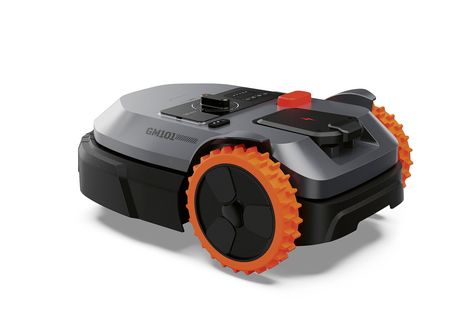
The future of lawn care is digital, and technology is making it easier than ever to maintain a beautiful, healthy lawn with minimal effort. Whether you’re a homeowner looking to save time or a landscaper seeking to streamline operations, optimizing lawn care with technology can lead to a healthier lawn, reduced water usage, and a more sustainable approach to yard maintenance. In this guide, we’ll walk through the steps you can take to optimize your Robot lawn mover care with technology and make the most of the latest innovations.
1. Invest in a Robotic Lawn Mower
One of the most significant advancements in lawn care technology is the robotic lawn mower. These automated devices can mow your lawn without any manual intervention, making them perfect for busy homeowners or anyone looking to reduce their lawn maintenance workload.
How to optimize lawn care with a robotic mower:
- Choose the right model: Select a robotic mower based on your lawn’s size, shape, and terrain. Brands like Husqvarna, Robomow, and Worx offer models for various lawn types.
- Program your mower: Set a mowing schedule based on your lawn’s growth pattern. Many mowers can be programmed via a smartphone app, allowing you to control the mower from anywhere.
- Install boundary wires: For mowers that require them, install the boundary wires around the edges of your lawn to guide the mower’s movements. This ensures the mower doesn’t go off course and trims all areas evenly.
2. Install a Smart Irrigation System
Smart irrigation systems are a game changer for homeowners looking to reduce water waste and ensure their lawn is watered efficiently. These systems use real-time weather data and soil moisture sensors to adjust watering schedules, ensuring your lawn gets the right amount of water at the right time.
How to optimize lawn care with smart irrigation:
- Select a smart irrigation controller: Choose a controller that can be connected to your Wi-Fi and synced with a mobile app. Brands like Rachio, RainMachine, and Netro are popular choices.
- Integrate soil moisture sensors: Install sensors to monitor your lawn’s moisture levels in real-time. This data allows the system to adjust watering schedules, reducing water usage during rainy periods.
- Set automatic schedules: Program your irrigation system to run at optimal times—usually early in the morning or late at night—to reduce evaporation and ensure your lawn receives enough water.
3. Use Soil Moisture Sensors
Soil moisture sensors are essential for monitoring how much water your lawn needs. These sensors can be connected to your irrigation system to provide real-time feedback, ensuring that water isn’t wasted by overwatering or underwatering.
How to optimize lawn care with soil moisture sensors:
- Install sensors across your lawn: Place sensors in multiple locations to get a comprehensive view of your lawn’s moisture levels.
- Monitor data through an app: Many soil moisture sensors come with a smartphone app that allows you to track moisture levels and receive alerts when the soil is too dry or too wet.
- Connect to your irrigation system: Link the sensors to your smart irrigation system to automatically adjust watering schedules based on the soil’s moisture content.
4. Implement Lawn Health Monitoring Apps
Lawn health monitoring apps are an excellent way to keep track of your lawn’s condition and receive personalized care recommendations. Some apps allow you to upload photos of your lawn to receive advice on things like pest control, soil health, and fertilization.
How to optimize lawn care with health monitoring apps:
- Select a lawn care app: Choose an app that provides customized advice based on your lawn’s needs. Popular options include Lawn Guru and My Lawn by Scotts.
- Monitor your lawn’s health: Regularly input data into the app, including your lawn’s appearance, soil conditions, and local weather, to receive recommendations on fertilization, aeration, and pest control.
- Set reminders for maintenance tasks: Many apps allow you to set reminders for routine lawn care tasks, helping you stay on top of maintenance and improve your lawn’s overall health.
5. Utilize Smart Fertilizer Spreaders
Smart fertilizer spreaders offer precise control over the amount of fertilizer applied to your lawn, ensuring that it’s distributed evenly and only where needed. This helps prevent overfertilization, which can lead to nutrient runoff and environmental damage.
How to optimize lawn care with a smart fertilizer spreader:
- Choose the right model: Select a smart spreader with adjustable spread patterns and a built-in GPS for precise fertilizer application. Models from brands like EarthWay or Scotts can help.
- Customize settings: Adjust the spreader’s settings to apply the right amount of fertilizer for your lawn’s size, type, and soil condition.
- Automate fertilizer application: Set the spreader to apply fertilizer at specific intervals, depending on your lawn’s needs and the type of grass you have.
6. Automate Lawn Care with Software
For those managing larger lawns or multiple properties, lawn care automation software can streamline the entire process. These platforms integrate various lawn care tasks—like mowing, irrigation, and fertilization—into one convenient dashboard.
How to optimize lawn care with automation software:
- Select an automation platform: Choose software like Yardbook or LawnBot to manage your lawn care schedule. These platforms allow you to track all aspects of lawn maintenance in one place.
- Set up automatic schedules: Program mowing, irrigation, and fertilization tasks to run automatically at scheduled intervals, based on your lawn’s needs.
- Monitor performance: Track your lawn’s progress and receive performance reports, allowing you to make data-driven decisions for future lawn care.
7. Install Smart Outdoor Lighting
Smart outdoor lighting enhances the aesthetics of your lawn while providing added security. These lights can be controlled remotely, set on timers, or activated by motion sensors to illuminate your yard as needed.
How to optimize lawn care with smart lighting:
- Choose energy-efficient LED lights: Install LED lights along pathways, garden beds, or decorative areas of your lawn to save energy and reduce maintenance costs.
- Control remotely: Use an app to adjust lighting settings based on time of day or personal preference. You can also integrate the lights with motion sensors for automatic activation.
- Enhance security: Install motion-sensing lights around entryways or areas with high foot traffic to increase the security of your property.
8. Monitor Lawn Performance with Data
Data-driven lawn care is becoming increasingly important for homeowners looking to optimize their lawn maintenance routines. Collecting data from various sensors, apps, and devices allows you to monitor your lawn’s performance over time and make informed decisions about your care routine.
How to optimize lawn care with data:
- Use data from sensors and apps: Collect information from moisture sensors, health monitoring apps, and robotic mowers to get a comprehensive view of your lawn’s needs.
- Analyze trends: Track changes in soil moisture, grass growth, and health over time to identify areas that need improvement.
- Make data-driven decisions: Adjust your lawn care practices based on the data, whether that means changing irrigation schedules, adjusting fertilization, or introducing new lawn care practices.
Conclusion
Optimizing lawn care with technology can save you time, reduce effort, and make your lawn healthier and more sustainable. By incorporating robotic mowers, smart irrigation, moisture sensors, lawn health apps, and other innovations into your routine, you can take your lawn care to the next level. Whether you’re a busy homeowner or a professional landscaper, these technologies will help you achieve a beautiful, well-maintained lawn with less work and more efficiency. With the right tools and strategies, your lawn will thrive, and you’ll have more time to enjoy your outdoor space.
